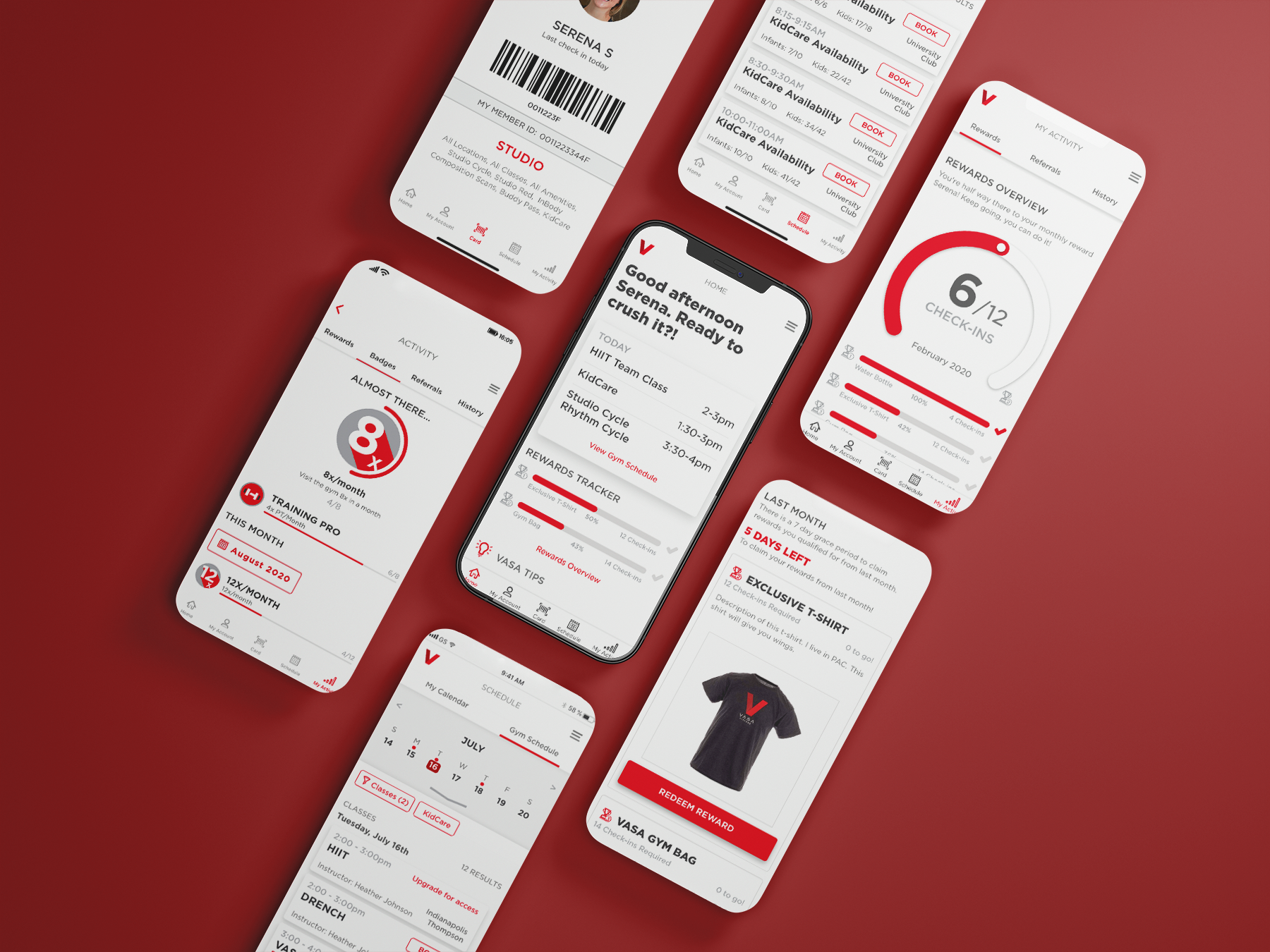
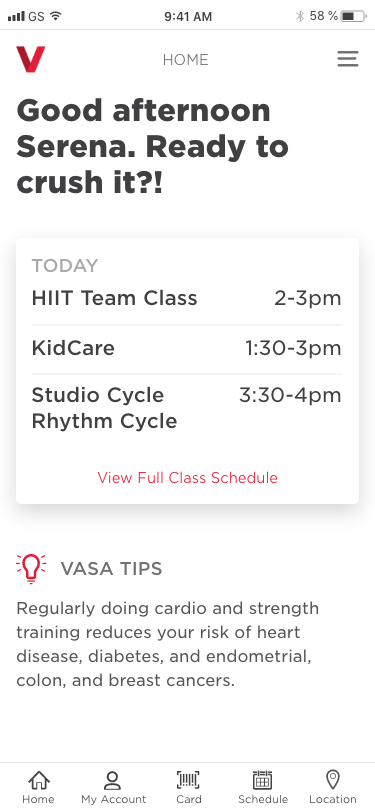
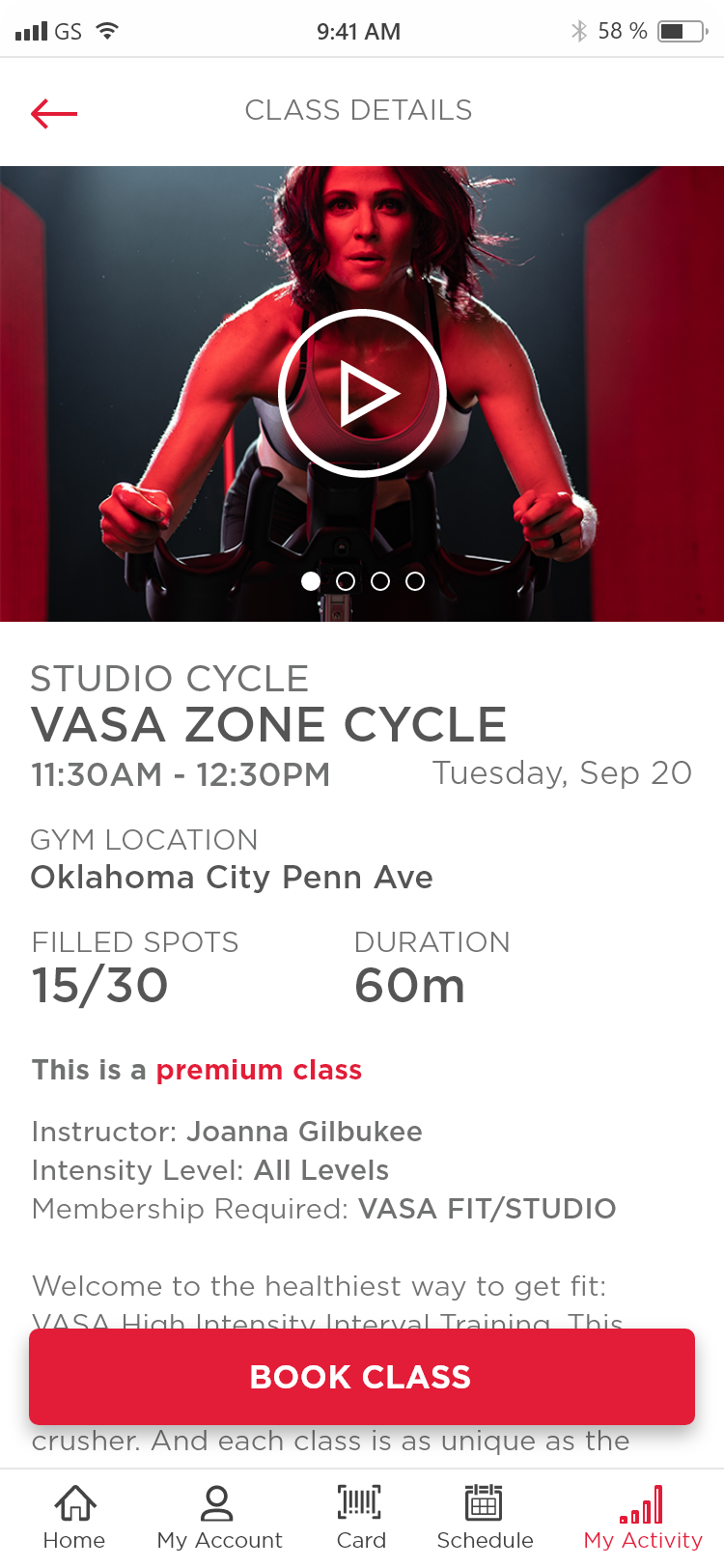

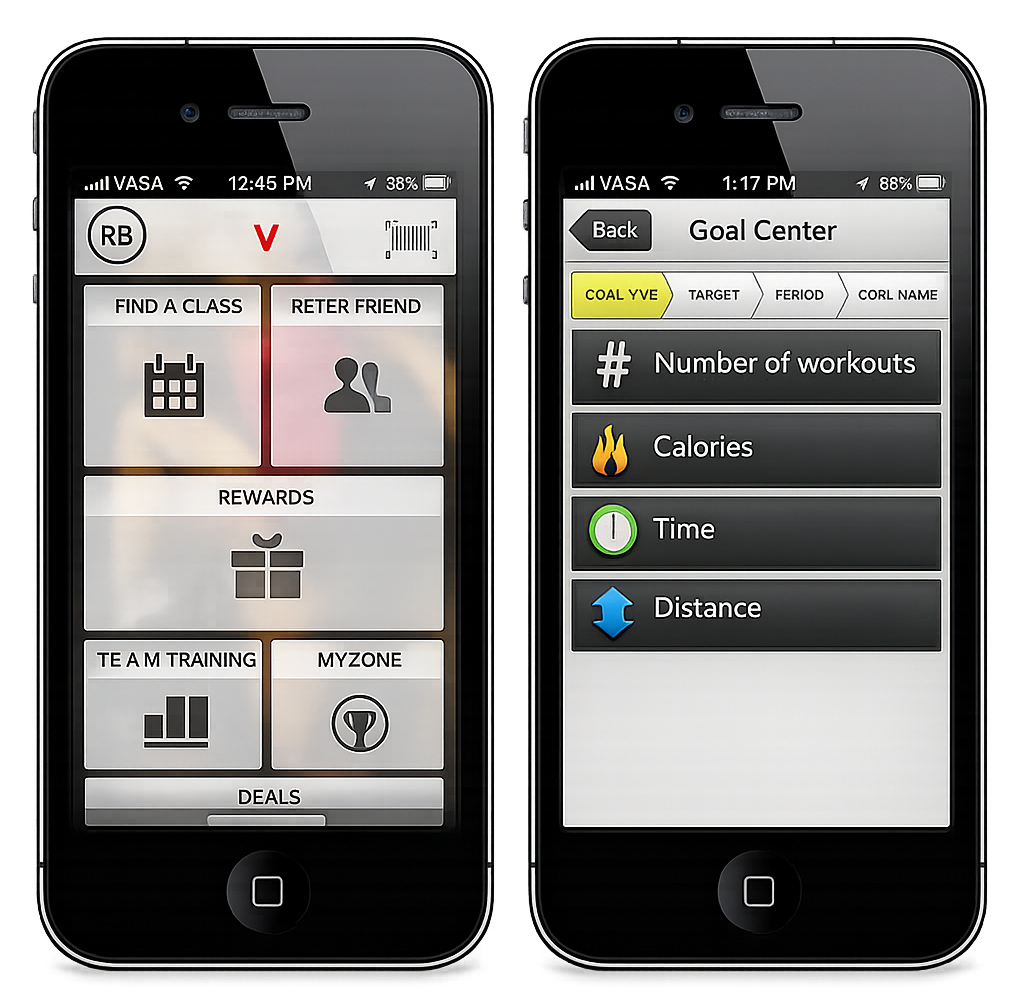
End-to-end UX lead on a ground-up iOS and Android app for a national gym chain — replacing a white-labeled product with a custom experience that drove 200k installs and $150k in direct app sales within months of launch.
VASA Fitness was running a Netpulse white-labeled app — a generic template product shared across dozens of gym brands. Members couldn't access or manage their accounts inside the app, and VASA had almost no ability to improve the experience or integrate their own data.
The result was frustration on both sides: members who felt disconnected from their gym, and a business that couldn't communicate with or retain them digitally.
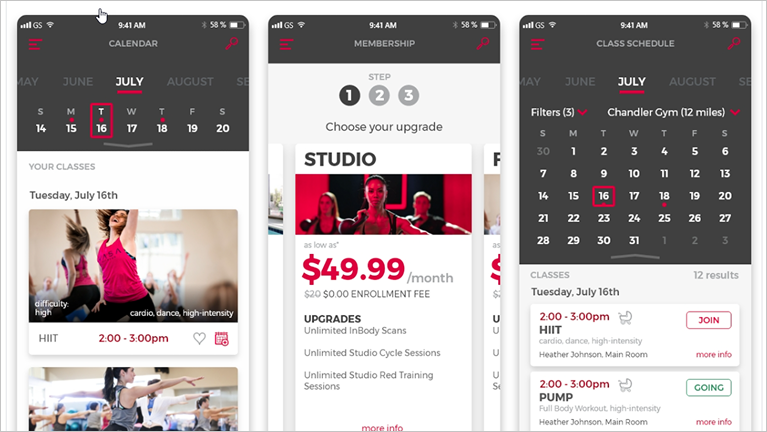
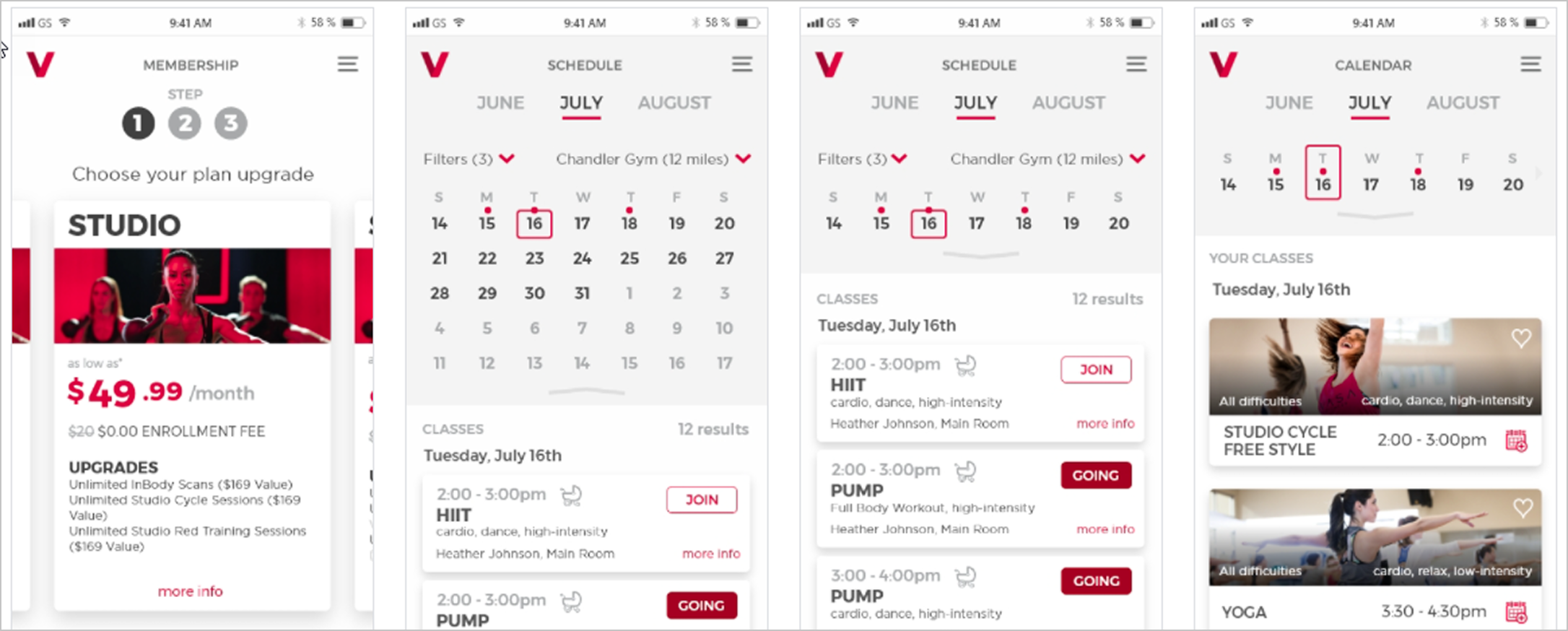
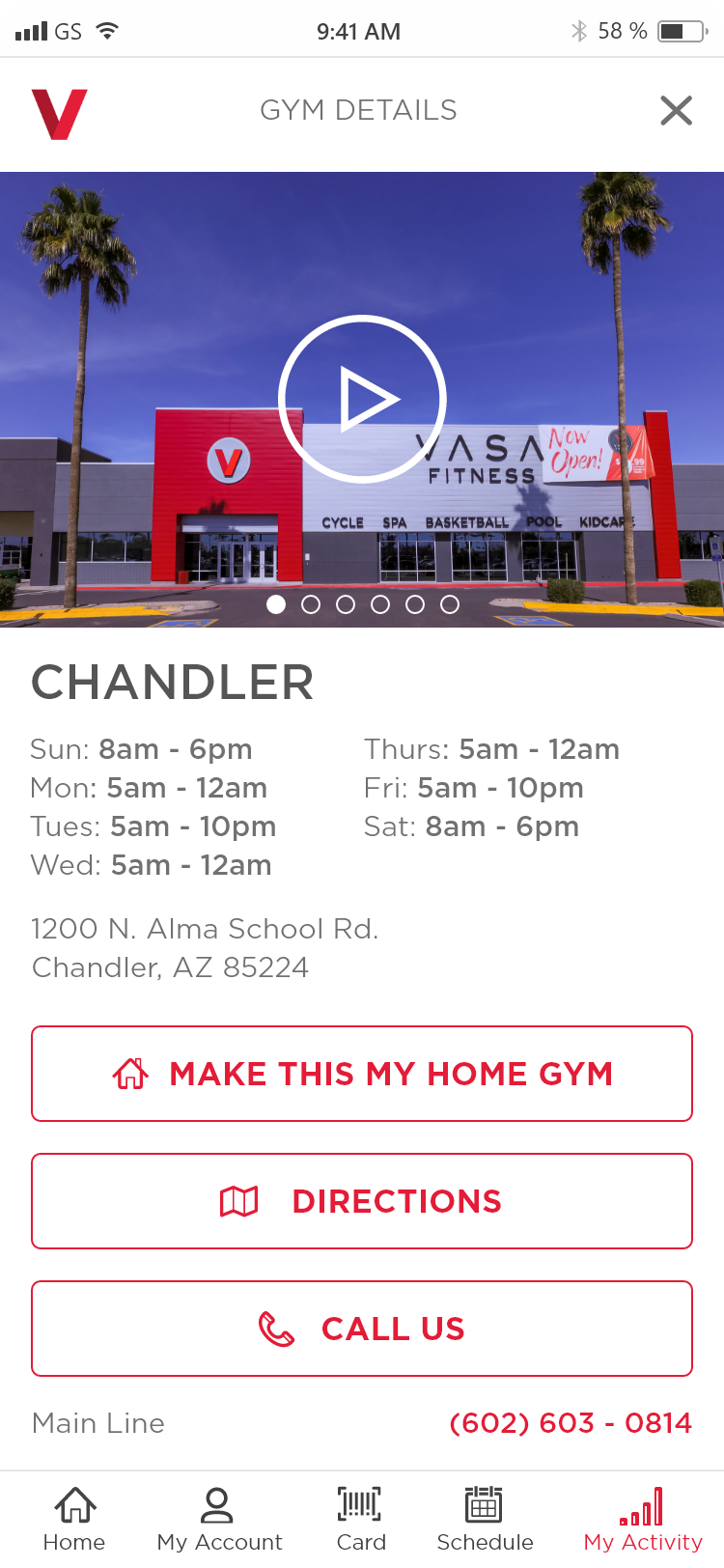
VASA brought in Neudesic to design and build a fully custom native app — one they owned entirely, integrated deeply with member data, and could evolve on their own terms.
The goals were clear: reduce membership churn, drive in-app sales, and create a direct digital channel between VASA and its members — all while launching in under six months to hit a Thanksgiving marketing push.
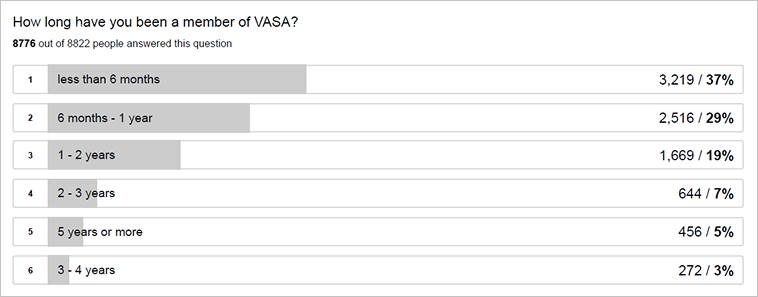
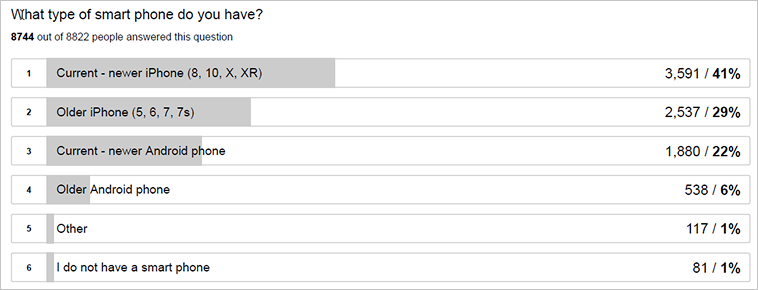
Before any design started, we surveyed over 8,000 VASA members to understand their actual pain points. Three findings shaped the entire product direction.
The data pointed to one root cause: members couldn't do anything useful in the app. No account access, no class booking tied to their real membership, no identity. It was a marketing brochure pretending to be a product.
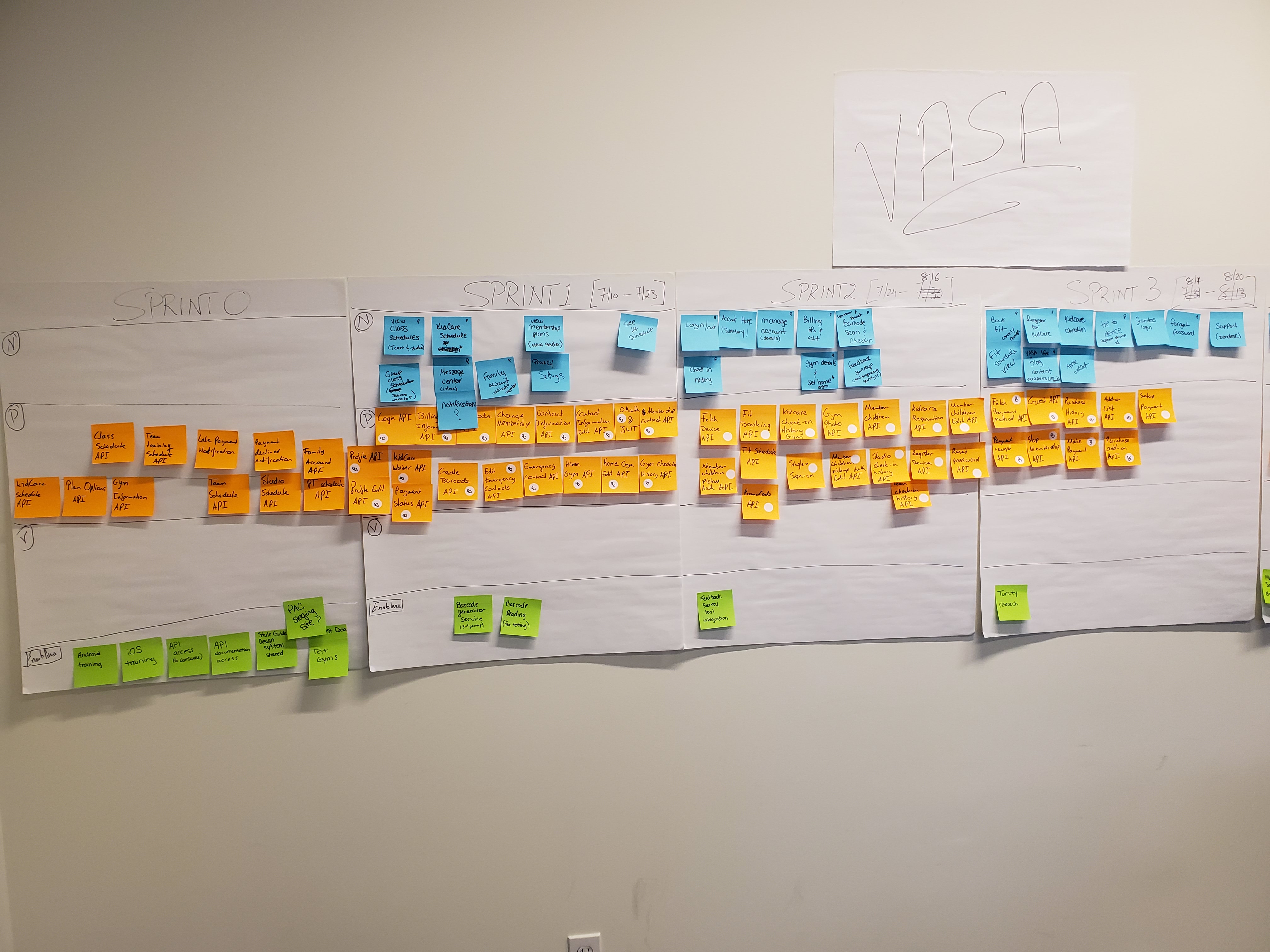
Key research finding — member survey, June 2019Technical constraints shaped the solution: all member data lived in PAC, a third-party payment and scheduling platform. Every feature we designed had to work within the API boundaries PAC could provide — which required constant communication with their team throughout the project.
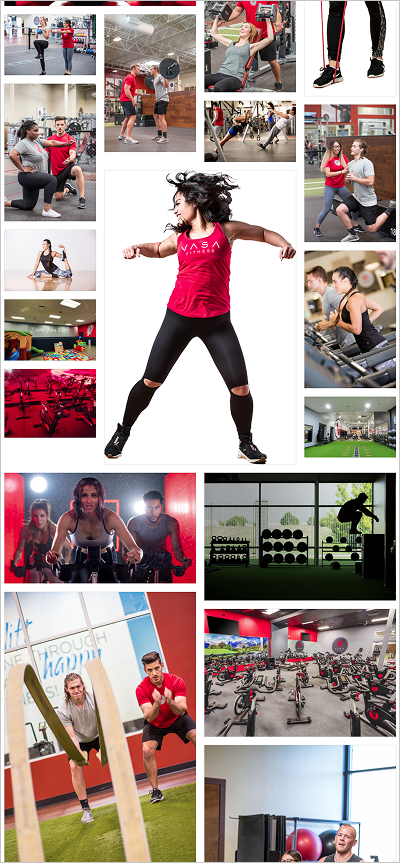
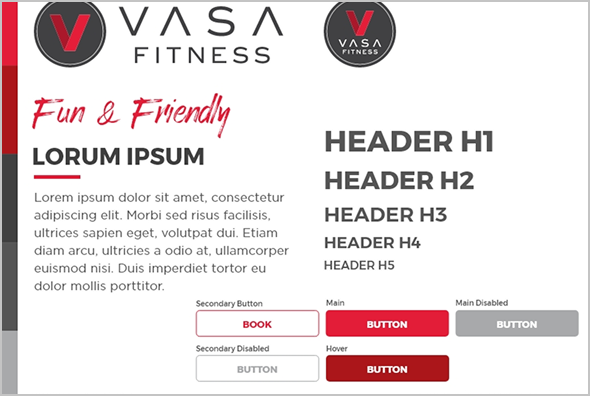
The existing VASA brand was built for print and marketing. Translating it into a native mobile experience meant extending it — creating a visual language for the app that felt unmistakably VASA while following iOS and Android platform conventions.
I worked directly with the CMO through moodboards, style tiles, and early concept designs — iterating until the direction was locked before building out full screens.
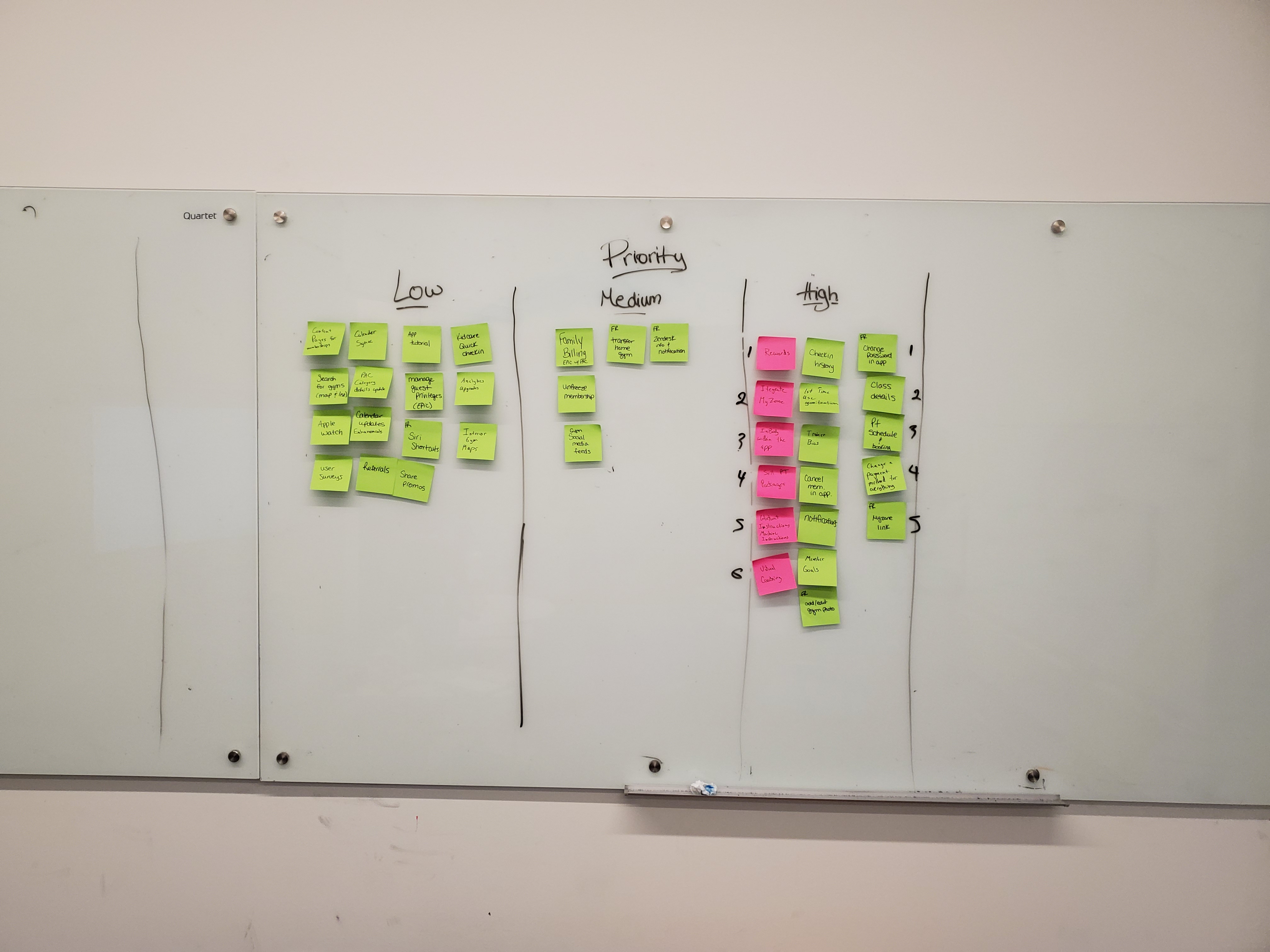
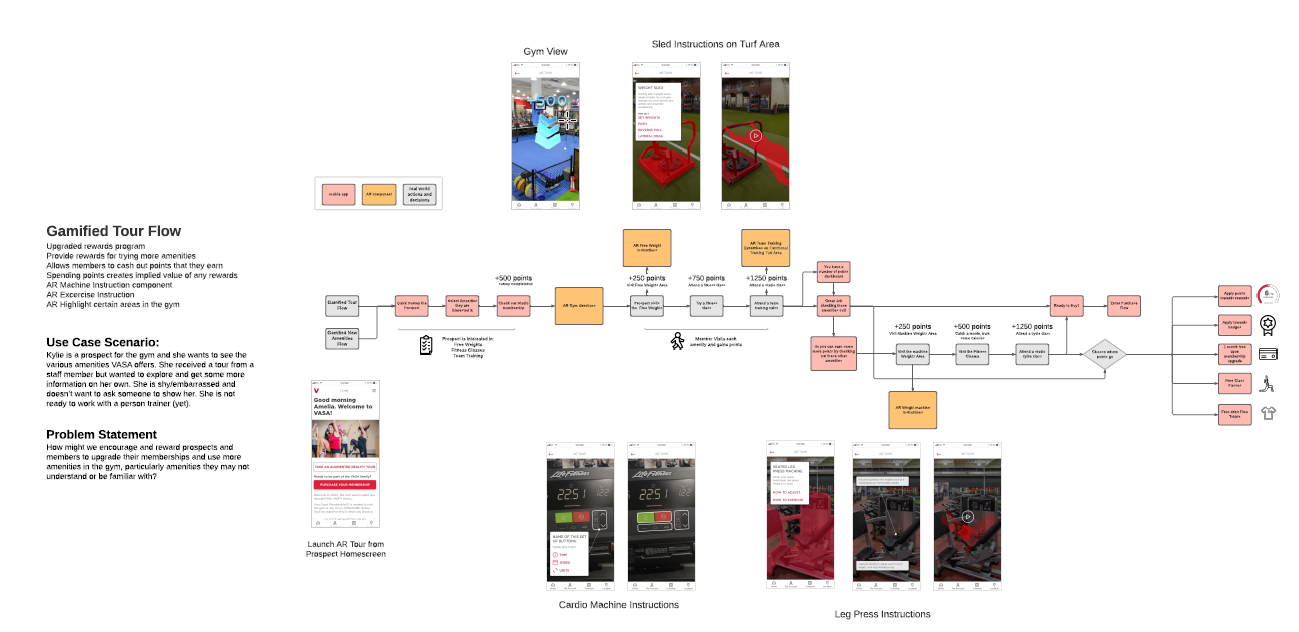
The app launched in November 2019 — under six months from kickoff — and continued evolving through two major updates. Each phase added depth: more member data integration, new engagement features, and a full rewards program.
On March 19, 2020, VASA closed all gyms in response to COVID-19, froze member accounts, and furloughed most staff — dropping revenue to zero overnight. All work halted for roughly three months.
When VASA reopened, they brought Neudesic back as one of their first vendors — a direct result of the trust built during Phase 1.
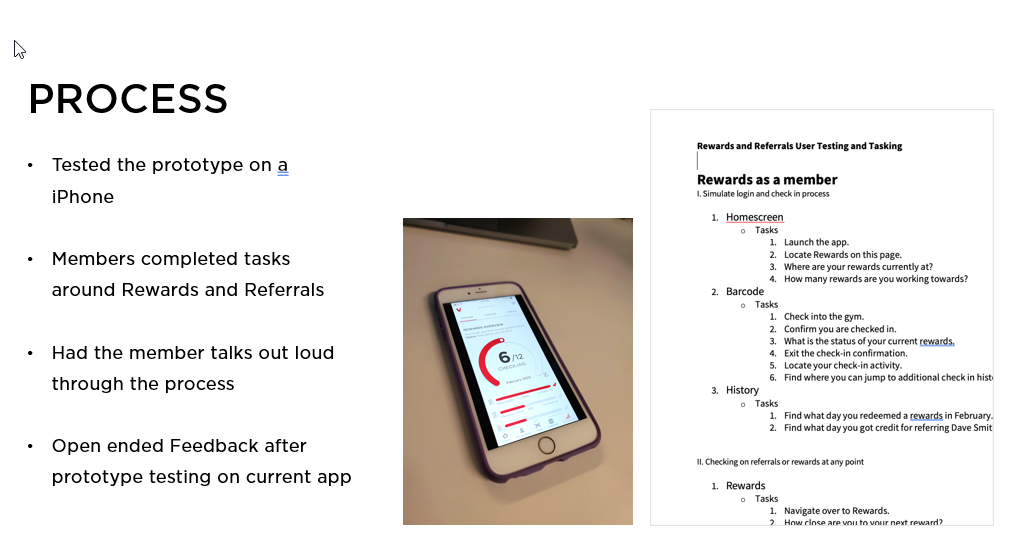
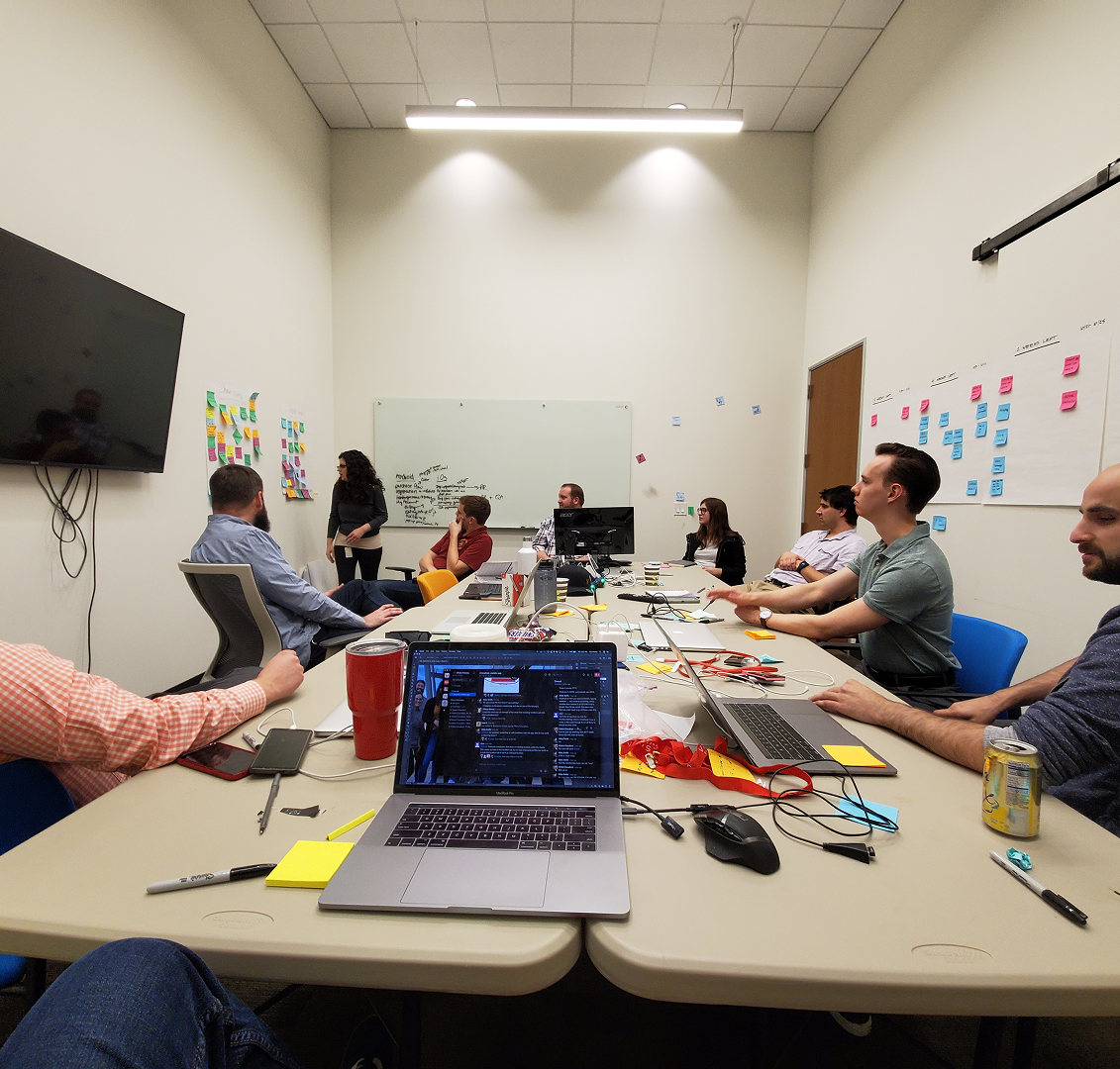
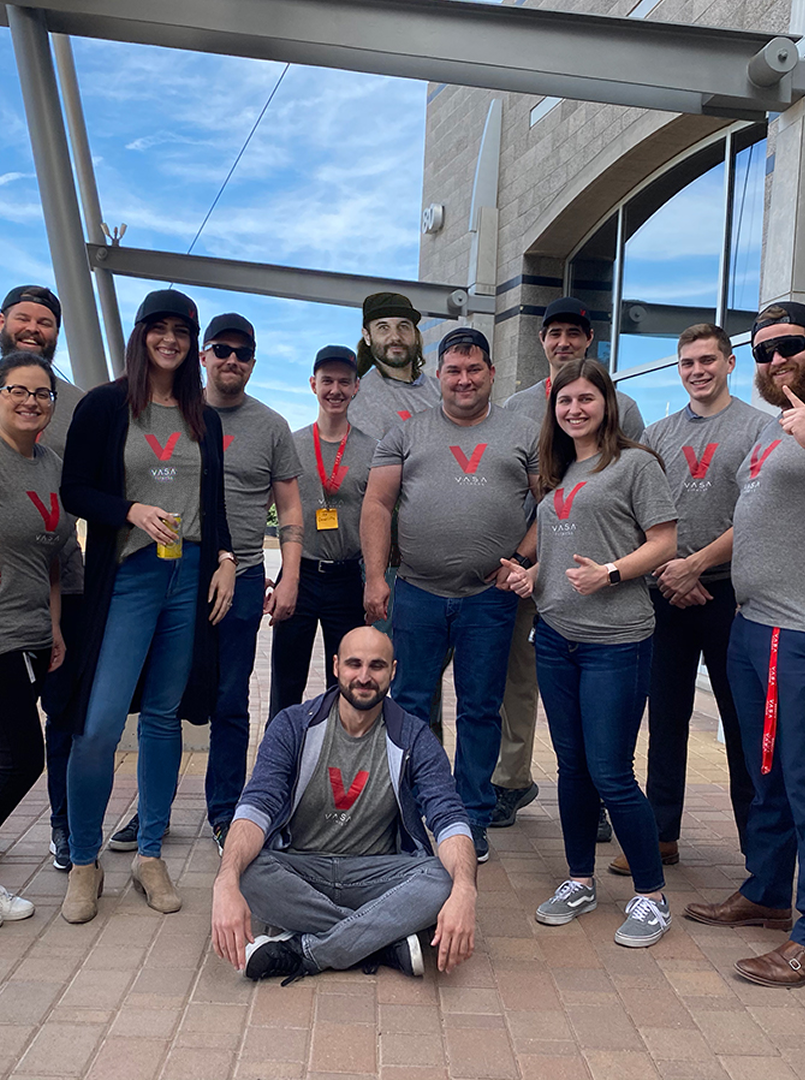
Around two-thirds of the development team were junior engineers learning native iOS or Android for the first time. This made design reviews critical — I needed to be hands-on and specific to keep quality high.
At peak velocity, the 1:5 designer-to-developer ratio meant up to 70% of my working day was consumed by design review and real-time problem solving.
"Just got a call from our CEO/CMO/CFO who are using the app today to book classes and got feedback from the club. They said it was awesome and were super happy with it. They made an app at Starbucks with 70 developers and a bunch of other folks and couldn't release it in the same timeframe or for the same cost."
— Mehul Chaudhari, VP of Strategy and Analysis, VASA FitnessThe trust built during the mobile app engagement led VASA to bring Neudesic back for two additional projects — both completed during the COVID recovery period in mid-2020.
VASA was the project where I learned what it means to truly own a product — not just the design files, but the roadmap conversations, the stakeholder relationships, the backlog, and the developer handoffs. It's one thing to design great screens; it's another to shepherd them all the way to a shipped app store update.
The pandemic pause was jarring in the moment, but it gave the team time to reflect and return with better focus. The trust VASA showed in bringing us back first validated everything we'd built together.
If I were starting over, I'd push harder earlier to run Android and iOS as separate parallel workstreams. We lost time letting developers context-switch between platforms — splitting the teams was the right call, just wish it had happened sooner.